SUV
Compare used 4Runner SUVs by year, drivetrain, cabin layout and condition. Choose the setup that suits your real routes, not just the badge.
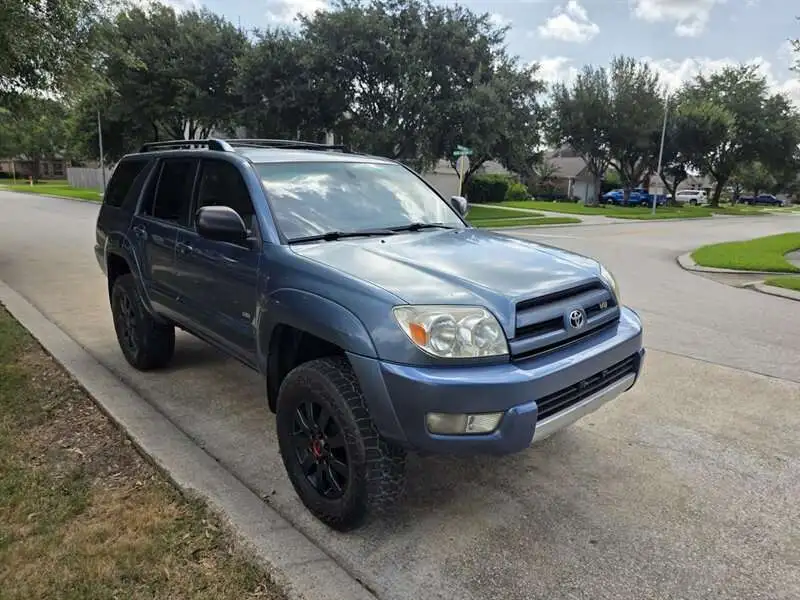
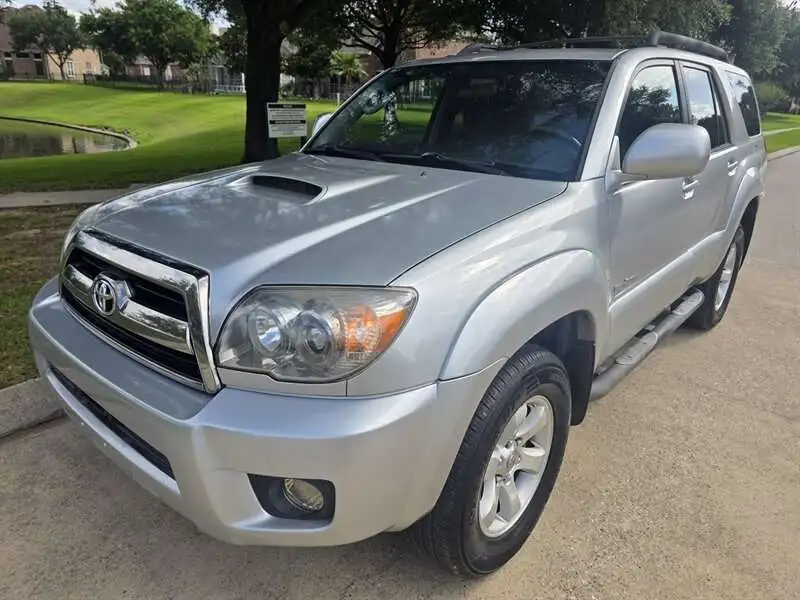
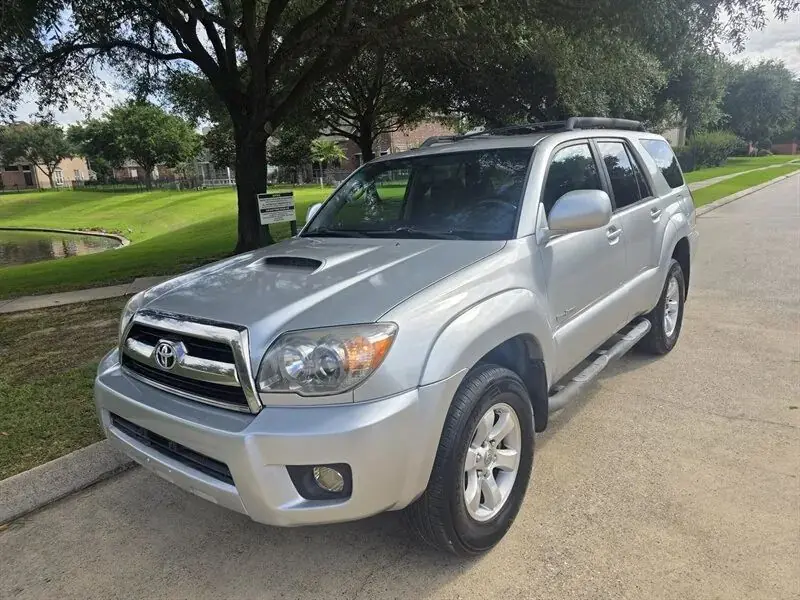
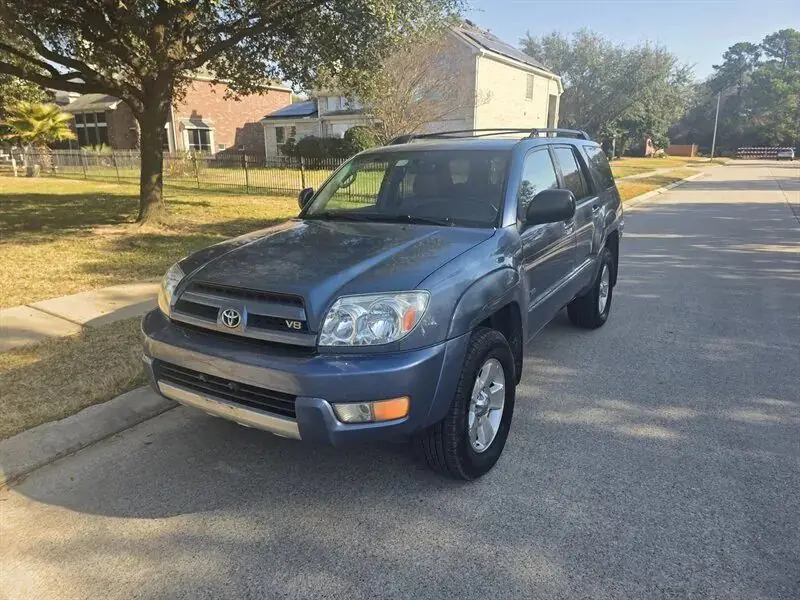
Guide photos show model examples, not necessarily vehicles for sale. Confirm the exact year, equipment and availability in the current listings.
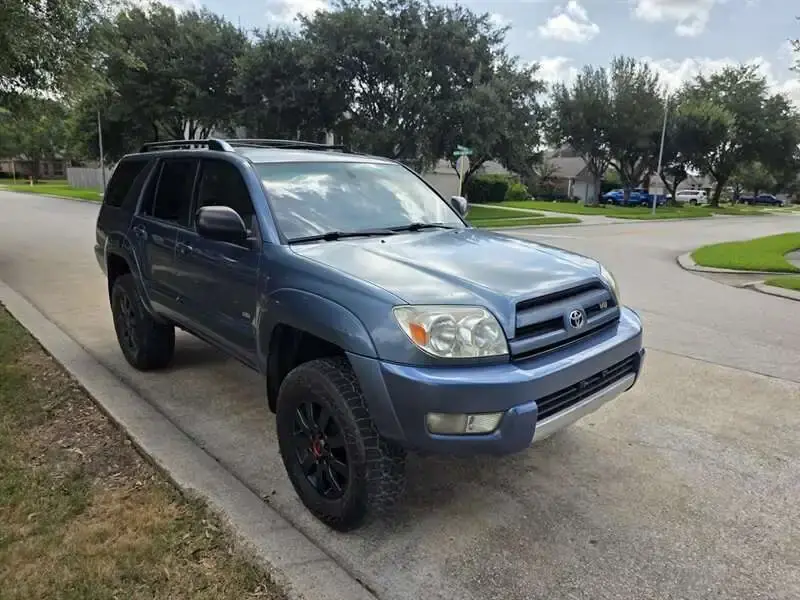
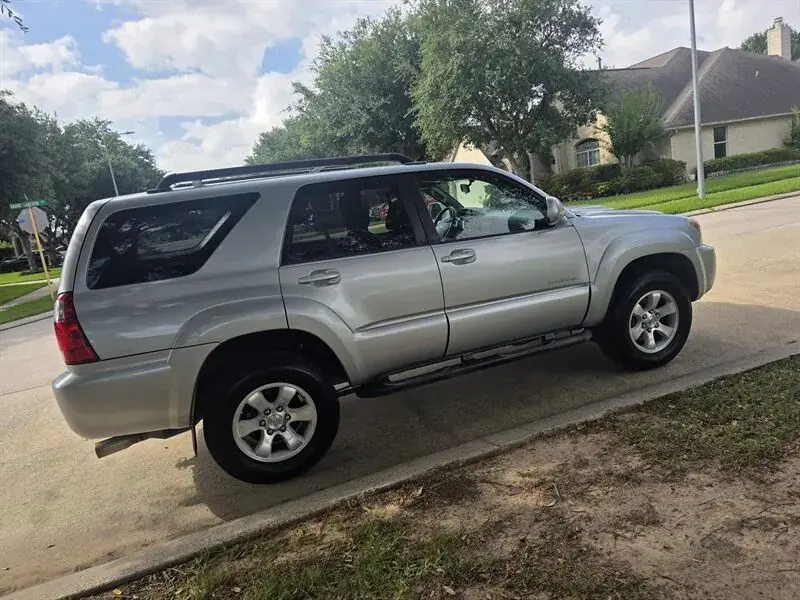
Used 4Runner listings can include SR5, Sport Edition, Limited, Trail, TRD Off-Road, TRD Pro, 2WD, 4WD, older 4.0-liter V6 power, older 4.7-liter V8 power in some 2003-2009 models, and newer turbo or hybrid power in the latest generation. Value SUVs around Houston often show fourth-generation or fifth-generation examples. The fourth generation ran from 2003-2009 and is the era many older SR5 shoppers see. The fifth generation ran from 2010-2024 and kept a long-running 4.0-liter V6. The sixth generation started for 2025 and brought new turbo four-cylinder and i-FORCE MAX hybrid choices.
Seats and space: check rear-seat room, cargo room, child-seat fit, roof height, step-in height, and whether the second row fits your family. Trim and equipment: compare cloth or leather, backup camera, parking sensors, roof rails, audio, running boards, wheel condition, tire condition, rear-seat condition, and cargo-area condition. Size: 4Runner is not a full-size SUV, so it can be easier to park than a Tahoe or Sequoia, but it still feels taller and more truck-like than many compact crossovers. If you need larger family SUV space, compare a Chevrolet Tahoe, Chevrolet Suburban, or Toyota Sequoia.
The Toyota 4Runner name goes back to the 1984 model year in the United States. Most used buyers do not need to memorize every year. They need a simple year guide: early compact 4Runners from the 1980s and 1990s, the 2003-2009 fourth generation that can include 4.0-liter V6 or 4.7-liter V8 power, the 2010-2024 fifth generation that many shoppers know for its long-running 4.0-liter V6, and the 2025-newer sixth generation with newer turbo and hybrid choices. Use the history to ask better questions, then judge the exact SUV in front of you.
Value-focused 4Runner searches around Houston often include older SR5 examples with higher miles, simple equipment, and a strong condition story. Newer 4Runner models may add better screens, newer safety features, more modern cabin design, Trail, TRD Off-Road, TRD Pro, Trailhunter, Platinum, or Limited choices, and stronger late-model tech. If budget is the first filter, compare 4Runner candidates against vehicles under $15k and vehicles under $10k. Always confirm exact specs by VIN, listing, door-jamb label, and inspection because engine, transmission, drivetrain, seating, tire size, towing equipment, and options change by year and trim.
These older generations built the 4Runner name, but many are now collector, project, or specialty vehicles. If one appears locally, condition, rust, maintenance, parts needs, and inspection matter more than the badge.
This is the older value range many budget SUV buyers notice first. Many examples use a 4.0-liter V6, and some use the 4.7-liter V8. Check frame and underbody condition, leaks, suspension feel, cold air conditioning, seat wear, tires, brakes, warning lights, and smooth shifting.
This long generation is the one many shoppers picture when they think of a modern 4Runner. It commonly uses a 4.0-liter V6 and can include SR5, Trail, TRD Off-Road, Limited, and TRD Pro-style choices depending on year.
The newer 4Runner moved to a new platform with turbo four-cylinder power and available i-FORCE MAX hybrid power. These may bring newer tech and more torque, but payment and insurance can be much higher than an older clean 4Runner.
Trim names help, but they do not tell the whole story. A clean SR5 with good tires can beat a rough Limited. A TRD or Trailhunter setup can be useful if the SUV is clean and the buyer truly needs that hardware.
The engine name is only part of the 4Runner decision. Older value SUVs may use the 4.0-liter V6 with an automatic transmission. Some 2003-2009 examples use the 4.7-liter V8. The 2010-2024 generation is usually tied to the 4.0-liter V6. The 2025-newer 4Runner brings newer turbo four-cylinder power and available Toyota i-FORCE MAX hybrid power. Toyota lists current 4Runner information on the official Toyota 4Runner page, but a used SUV still needs the VIN, trim, drivetrain, mileage, tires, seats, and equipment checked.
For daily driving, check smooth start, smooth idle, smooth transmission behavior, cold air conditioning, steering feel, brake feel, tires, battery condition, and fuel cost. For family use, test rear-seat access, liftgate, cargo floor, seat movement, seat belts, cabin lights, cup holders, and how easily people can climb in. For payment, use used car financing early so the SUV, down payment, insurance, fuel, and repairs all fit the same budget.
A 4.0-liter V6 4Runner can be the simple used-SUV choice many buyers want. A fourth-generation V8 can feel strong when condition is good. A newer i-FORCE MAX hybrid 4Runner may add more torque and newer features, but the payment may be higher. Compare total monthly cost, not only power.
Many used 4Runner SUVs are 2WD and fit normal Houston roads. 4WD may matter if you tow, travel, or want extra traction, but it should be checked by VIN and weighed against price, tire cost, maintenance, and condition.
Trim names help organize the search, but they should not replace the inspection. SR5 is usually the simpler value trim and may be the cleanest choice for a budget buyer. Sport Edition and Limited names appear on some older 4Runners. Trail, TRD Off-Road, TRD Pro, Trailhunter, Platinum, and other names matter more in later years. Exact equipment changes by year, so confirm the listing and VIN.
The cleanest used 4Runner is not always the newest or highest trim. A simple SR5 with clean seats, cold air, good tires, detailed photos, and the right payment may be the better buy. A higher trim may be worth more if the seats, electronics, liftgate, tires, suspension, wheels, and body are still in good shape. If your current vehicle changes the down payment, use the trade-in page before choosing between value and comfort trims.
Check tires, brakes, air conditioning, lights, seat condition and warning lights. Test the equipment you need and ask about an independent inspection.
Ask which service records and vehicle-history information are available. Use the VIN in the NHTSA recall lookup and confirm any open recall work.
Ask for the total purchase amount, including applicable taxes and fees. Allow for insurance, fuel, tires and maintenance, not only the monthly payment.
Call (346) 645-0000 with the stock number. Ask about availability, the details that matter to you and a suitable time to visit.
Compare used Camry sedans for commuting, everyday comfort and your budget. See the available cars first, then compare years, cabin features and condition.
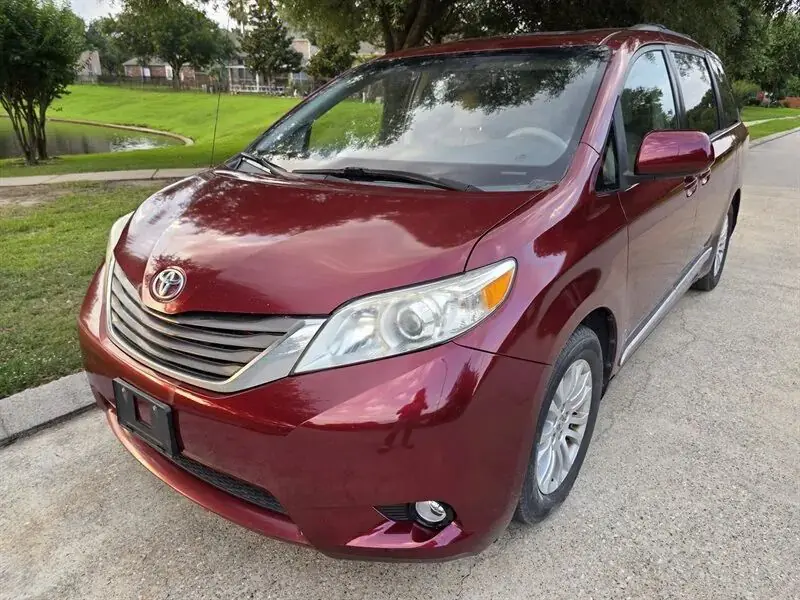
Compare Sienna minivans for sliding-door access, passenger space and family gear. Check the seat layout on each van before deciding what fits.
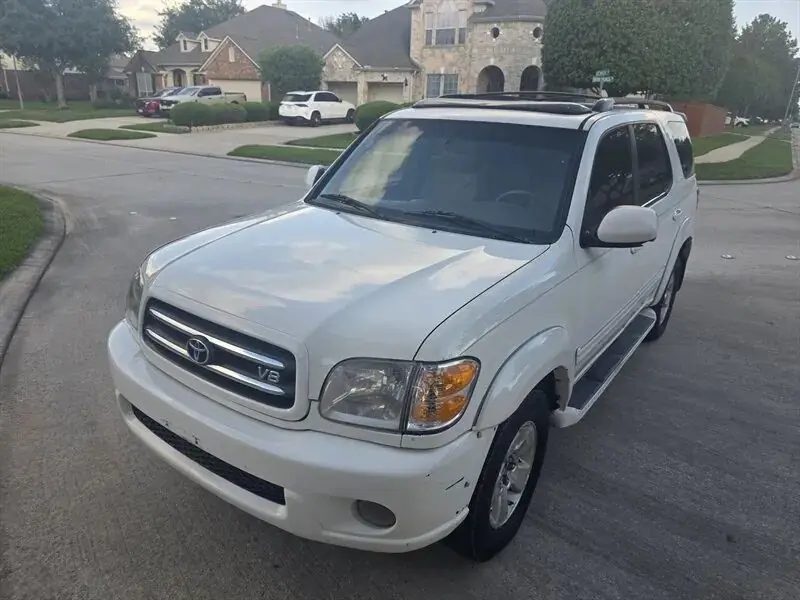
Explore used Sequoia SUVs for a roomy cabin and full-size utility. Compare the year, seat layout, drivetrain and condition before narrowing your shortlist.
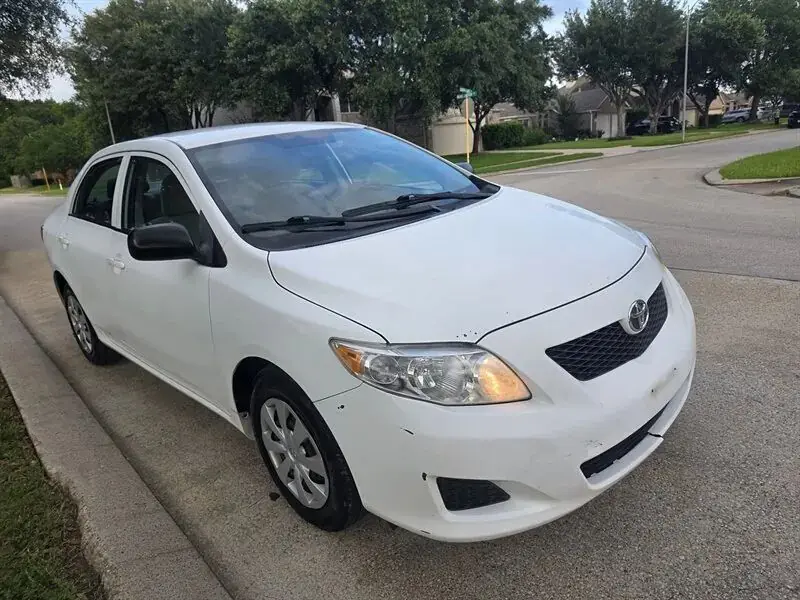
Explore Corolla sedans for everyday travel and a practical budget. Compare the individual car: cabin condition, mileage, equipment and maintenance matter.
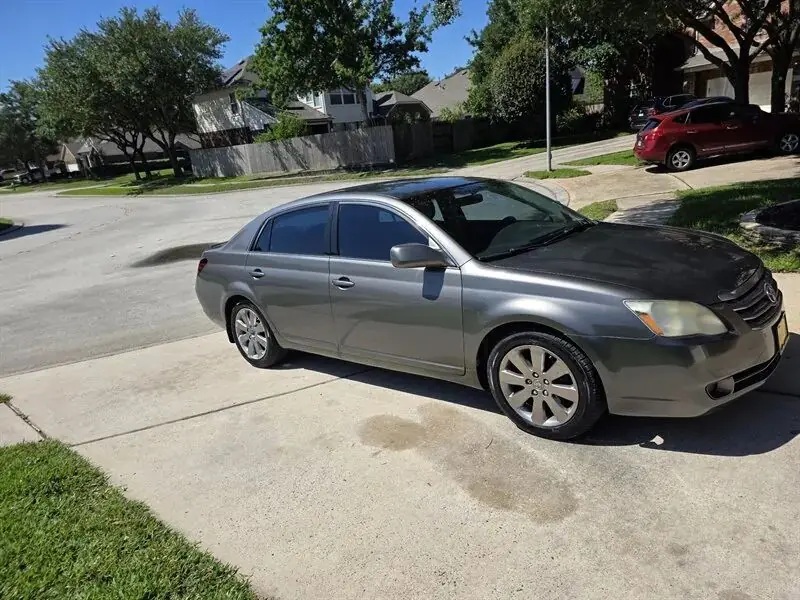
Compare Avalon sedans when cabin comfort and passenger room are priorities. Look at the year, equipment and care each car has received.
Explore Highlander SUVs for daily driving and family trips. Compare seat access, cargo space and the actual features on each year and trim.
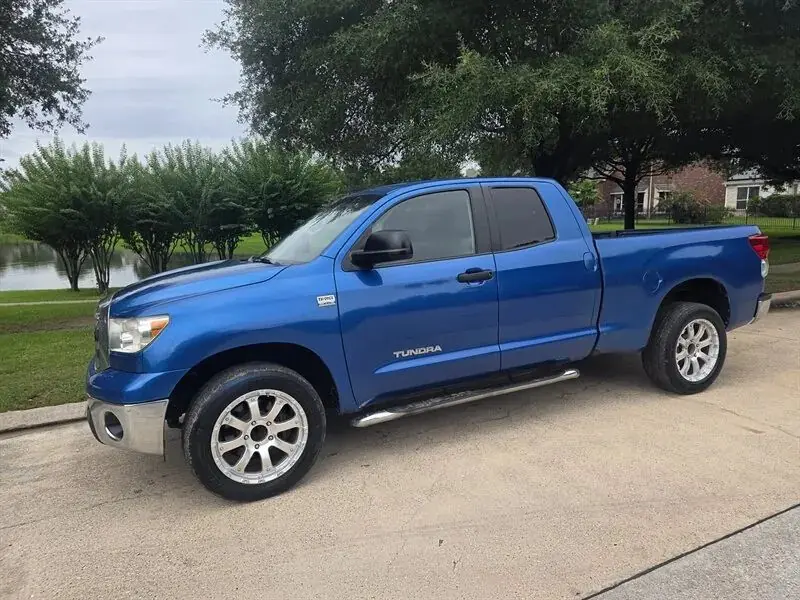
Compare Tundra pickups for passengers, work and weekend hauling. Start with cab and bed needs, then check the exact truck and its history.
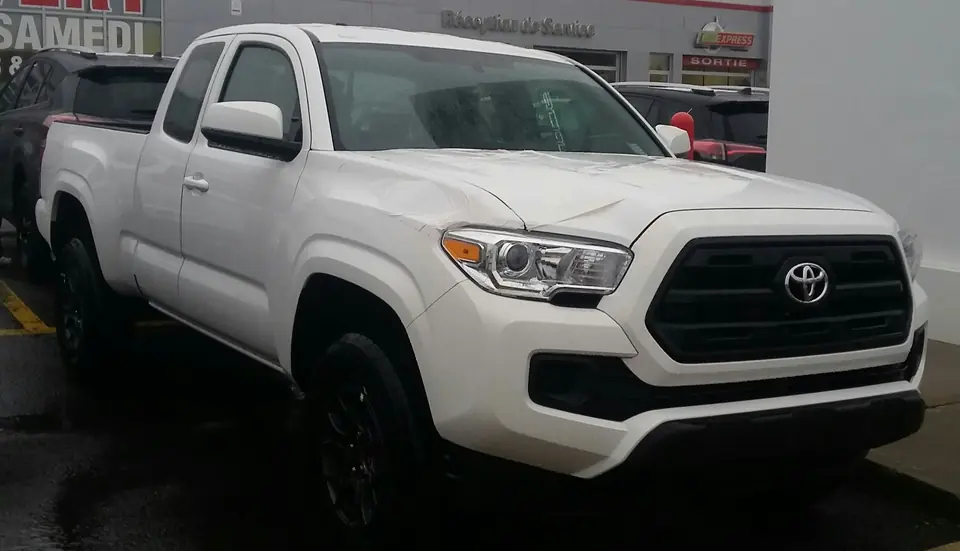
Need an open bed without starting with a full-size truck? Compare Tacoma cab space, bed length and everyday access before choosing a year or trim.
Explore these model guides; current availability varies.
Yes, it may be a good fit if you want a truck-style Toyota SUV, useful cargo room, available 2WD or 4WD, and a payment that fits your budget. The exact SUV still needs a condition check.
Compare SR5, Sport Edition, Limited, Trail, TRD Off-Road, TRD Pro, Trailhunter, Platinum, and other packages by seats, features, drivetrain, condition, tires, photos, mileage, price, and payment. Do not choose by trim name alone.
Many used 4Runner SUVs are 2WD and fit normal Houston driving well. 4WD can matter for towing, travel, or traction needs. Confirm the exact drivetrain by VIN, then compare price, tires, condition, and real use.
Look at tires, seat condition, cargo area, warning lights, paint, frame or underbody condition, drivetrain, air conditioning, maintenance records, photos, vehicle history details, and how the SUV feels during a visit.
Ask our team about the financing steps and trade-in options. Approval, terms and trade value depend on the application and vehicle details. Confirm the full purchase amount and ongoing costs before deciding.
Yes. Used SUV availability changes quickly. A quick call helps confirm current price, mileage, availability, vehicle history details, and the best time to see the 4Runner.
We are at 3102 Louetta Rd, Spring, TX 77388, near Houston. Plan your visit or call (346) 645-0000 with the stock number to confirm availability before travelling.
Compare body styles across makes and find the right fit for your budget.
Essence Autos in Spring, TX
3102 Louetta Rd, Spring, TX 77388
Call with the stock number before you set off. See the areas we serve →